
I have had it with all the strikeouts. There are several reasons why I don’t seem to enjoy watching baseball as much as I used to–the designated hitter; interleague play; the wildcard game; the endless parade of relief pitchers; position players as mop-up relievers when rosters already have 13 pitchers; the five-minute body armor shucking after a batter reaches base; the flawed replay review system; batters who stand at the plate admiring their homers; pitchers who intentionally throw at batters who stand at the plate and admire their homers; the choreographed celebrations for the least little “accomplishment”; players pointing to the sky after the least little “accomplishment”; pitching coaches in their pullovers; baseball players wearing softball uniforms; former players in the studio in suits and ties trying to demonstrate how to bat and field; sideline reporters–but the strikeouts bother me more than anything else.
Call me a Sports Curmudgeon if you like, and I will wear that title proudly because I first heard the term from the late Frank Deford as a regular feature of his “Sweetness and Light” segment on NPR. I may be an old fogey, but I’m not one of those get-off-my-lawn old fogeys who thinks the players from my younger days were much better than the modern athletes. I like it that baseball is more data driven. I understand that statistics show that teams get very little return investing in sacrifice bunts and stolen bases. It makes sense to me that on-base percentage is a better metric than batting average and that managers should stack the top of their lineup with their best hitters. But I cannot abide all the strikeouts.
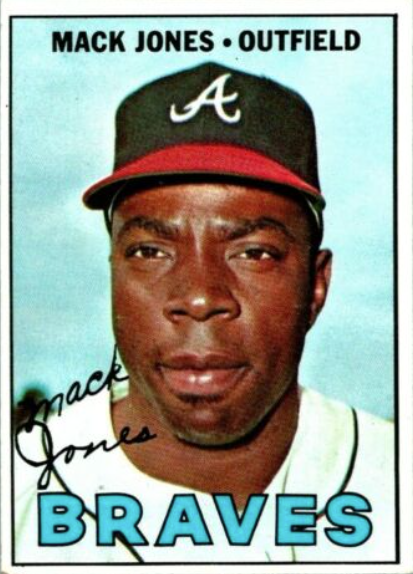
I discovered baseball in 1966 when the Braves moved to Atlanta. That season the Braves did not have a single player who struck out 100 times. In fact, only 24 players, 12 in each league, struck out 100 or more times that year. Going into today’s action the Braves have six players with more than 100 strikeouts and another who will get there before the season ends. There are 120 players with 100 or more strikeouts and another 33 with 90 or more who most likely will reach the century mark before the season ends.
For a little bit more perspective, it took the Atlanta Braves 15 seasons to have seven 100-plus strikeout seasons from their hitters. Mack Jones struck out 108 times in 1967, and the Braves traded him that offseason. It would be six seasons before another Braves hitter topped 100 strikeouts; Darrell Evans had 104 in 1973, and he was back with 105 in 1975. Jim Wynn struck out 127 times in 1976, and Dale Murphy had 145 in 1978 and 133 in 1980. In 1982 the Braves finally had two players who struck out over 100 times in the same season–Murphy with 134 and Claudell Washington with 107.
I understand that swinging for the fences provides the best chance for scoring runs, especially runs in bunches. But I’m tired of watching these players swinging the bat like a blindfolded seven-year-old hopped up on birthday cake trying to rupture a piñata when a groundball through the side of the infield left unprotected by the shift would score the go-ahead run.
In A League of Their Own, Tom Hanks as Jimmy Dugan says, “There is no crying in baseball.” Well, with all these strikeouts, maybe there should be.
(All statistics are from Baseball Reference.)


Leave a comment