
Baseball is headed into its final week of the regular season, and thanks to the current Wild Card system, seven teams are still in the hunt for the final playoff spots, three in the National League and four in the American League.
While the battle to finish as the sixth-best team in each league plays out this week, I think back to what I consider the Golden Age of the major league postseason. It lasted only four seasons and ran from 1969-1972 before rule changes and further expansion changed things forever.
Prior to 1969, only the top team in each league advanced to the postseason, and the entire postseason consisted of the best-of-seven World Series. There were 10 teams in each league, so only 10% of the teams made it to the postseason. In 1969, the leagues expanded by two teams each, the leagues were divided into two six-team divisions, and the League Championship Series was born. This system doubled the number of teams that advanced to the postseason.
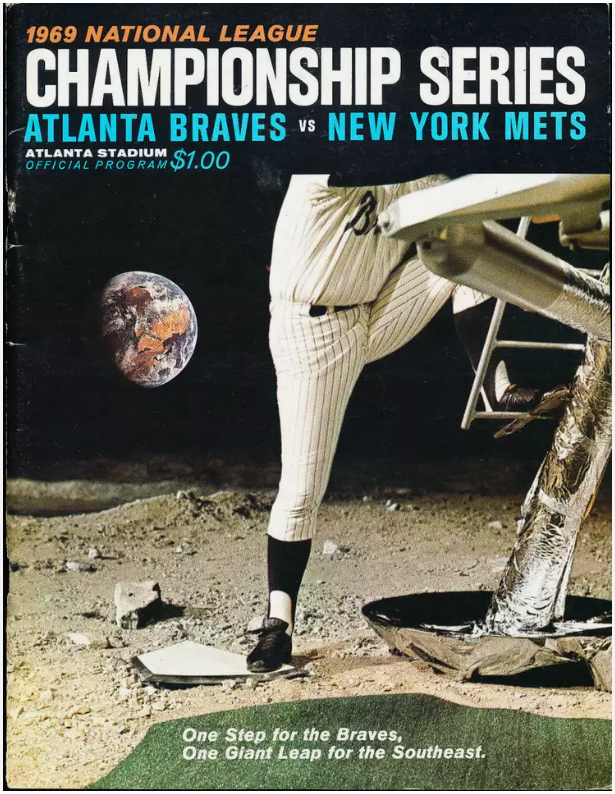
This new alignment fit the 162-game schedule well. Teams played opponents from their division 18 times (90 total games) and played teams from the other division 12 times (72 total games). This system was perfect and balanced for two 12-team leagues, and the schedule made the divisions meaningful and not merely a geographical distinction.
Major League Baseball had a great system going until 1973 when the American League adopted the designated hitter. The two leagues began playing by different sets of rules during the regular season and LCS, but then AL pitchers were required to hit during the World Series. Beginning in 1976, the DH was used in all World Series games played in even numbered years, and there was no DH in World Series played in odd numbered years. That system lasted until 1986, when the DH was used in World Series games played in AL parks, and pitchers batted in games played in NL venues. When MLB adopted the universal DH in 2022, the same rules for both leagues once again applied, and a large chunk of in-game strategy fell by the wayside.
Another big issue with the postseason began in 1977 when the AL expanded by two more teams, but the NL did not. With two, seven-team divisions, there was no way to maintain the mathematical purity of the schedule. Further expansion led to more teams going to the postseason, which was inevitable, but now 40% of the teams make it to the playoffs.
When interleague play reared its ugly head in 1997, it eliminated any real distinction between the leagues and divisions. Maybe it wasn’t so bad at first, but now teams play 20% of their games against teams from the other league, rendering the divisions meaningless. The Houston Astros currently lead the AL West with an 85-71 record and are virtually assured of a division title. The New York Mets and Arizona Diamondbacks, at 87-69, are two games better than the Astros, and the Atlanta Braves have the same record, but all three of these teams are fighting for a spot in the postseason.
There were issues even during this Golden Age. Why were the Braves and the Cincinnati Reds in the NL West while the St. Louis Cardinals and the Chicago Cubs were in the NL East? But give me the days when the leagues and divisions meant something, the managers had to decide whether to send in a pinch-hitter for the pitcher, and only a handful of teams made it to the postseason.
And while you’re at it, you can get off my lawn.


 Cheap Hill 44
Leave a reply to Sophia Cancel reply