
This past week a couple of my friends sent me links to articles about the Golden At-Bat, baseball’s latest cockamamie idea for a rule change. The Golden At-Bat would allow a team to choose one at-bat in each game to send up their best hitter, regardless of where that batter is in the lineup. It would be a one-time replacement, not a substitution subject to the current rules regarding pinch-hitters.
Here’s how it works. Say the Atlanta Braves load the bases late in the game, and Orlando Arcia is due up. The Braves could send an alternative hitter like Matt Olson to the plate–even if he is already in the lineup somewhere–to hit for Arcia. When the inning is over, Arcia goes back to shortstop, Olson goes back to first base, and they each take their next turn at bat whenever their spot in the lineup rolls around again.
Reading the articles about the Golden At-Bat reminded of when NPR used to run bizarre stories on April Fools’ Day. By the time I got to the end of these articles, I expected to see a disclaimer letting the readers know it was a joke leading up to the Winter Meetings. Unfortunately, that was not the case.
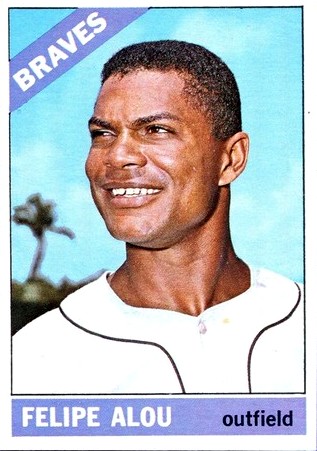
Back in my days as a young Strat-O-Matic fanatic, I used a variant of the Golden At-Bat rule. As manager of the 1966 Braves, I would hold one of their best hitters out of the starting lineup, maybe Felipe Alou, and save him until the first time the Braves had multiple runners on base with a much weaker hitter coming to the plate.
Just say the Braves had the bases loaded with Woody Woodward due up. I then would use Alou as a pinch-hitter, hoping for a big hit or even a grand slam to give the Braves an instant boost. But I abandoned the strategy after three or four games because I quickly discovered that it was terribly inefficient.
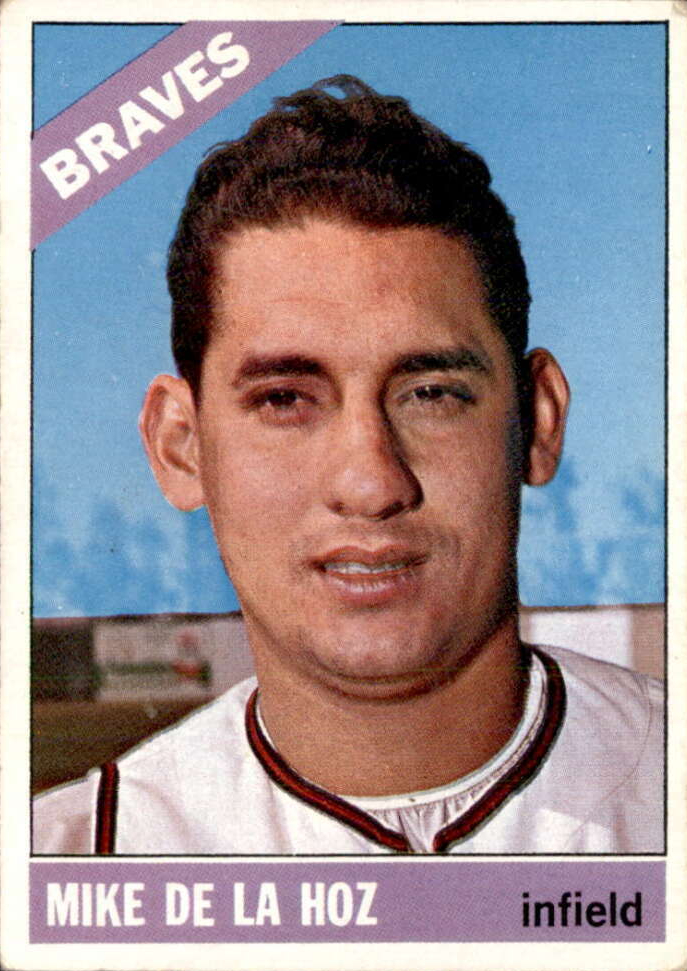
Once I sent Alou to the plate for Woodward, no matter the result, I then had to send in a replacement for Woodward. And if I wanted Alou to remain in the game, I had to remove another player from the lineup since Alou wasn’t a second baseman. So, after my Golden At-Bat, I usually wound up with a weaker player like Mike de la Hoz in the lineup for the remainder of the game. Plus, in order to employ the rule in the first place, I had to start a weaker player–Ty Cline, Gary Geiger, or Gene Oliver–in place of Alou. My brilliant strategy burned three players every time I used it. No wonder I abandoned it.
My problem was, I was attempting to use the Golden At-Bat within the parameters of the existing rules of the game. I was only eight years old at the time, but apparently, I had more business proposing rule changes than whoever cooked up this latest gimmick.
Backlash from the mere mention of such a rule was so harsh that Commissioner Rob Manfred tried to allay the fears of baseball purists. “To go from the conversation stage to this actually showing up in Major League Baseball is a very, very long road,” Manfred told a crowd at the Italian American Baseball Foundation. “If you don’t like the idea, I wouldn’t be that concerned about it right now.”
Right. That’s what I thought when reading about previous crazy rule changes. And then the next thing I knew, a runner just magically appeared at second base one night in the top of the tenth inning.


 Cheap Hill 44
Leave a comment