
I just learned that former St. Louis Browns outfielder Frank Saucier (so-SHAY) passed away two weeks ago. His only claim to fame was that Eddie Gaedel, the three-foot, seven-inch little person, once pinch-hit for him.
Saucier’s entire career consisted of 18 games. He appeared as a pinch-hitter nine times, a pinch-runner six times, and started in right field three times. One of those starts lasted only a half inning, as Gaedel took Saucier’s spot in the lineup in the bottom of the first.
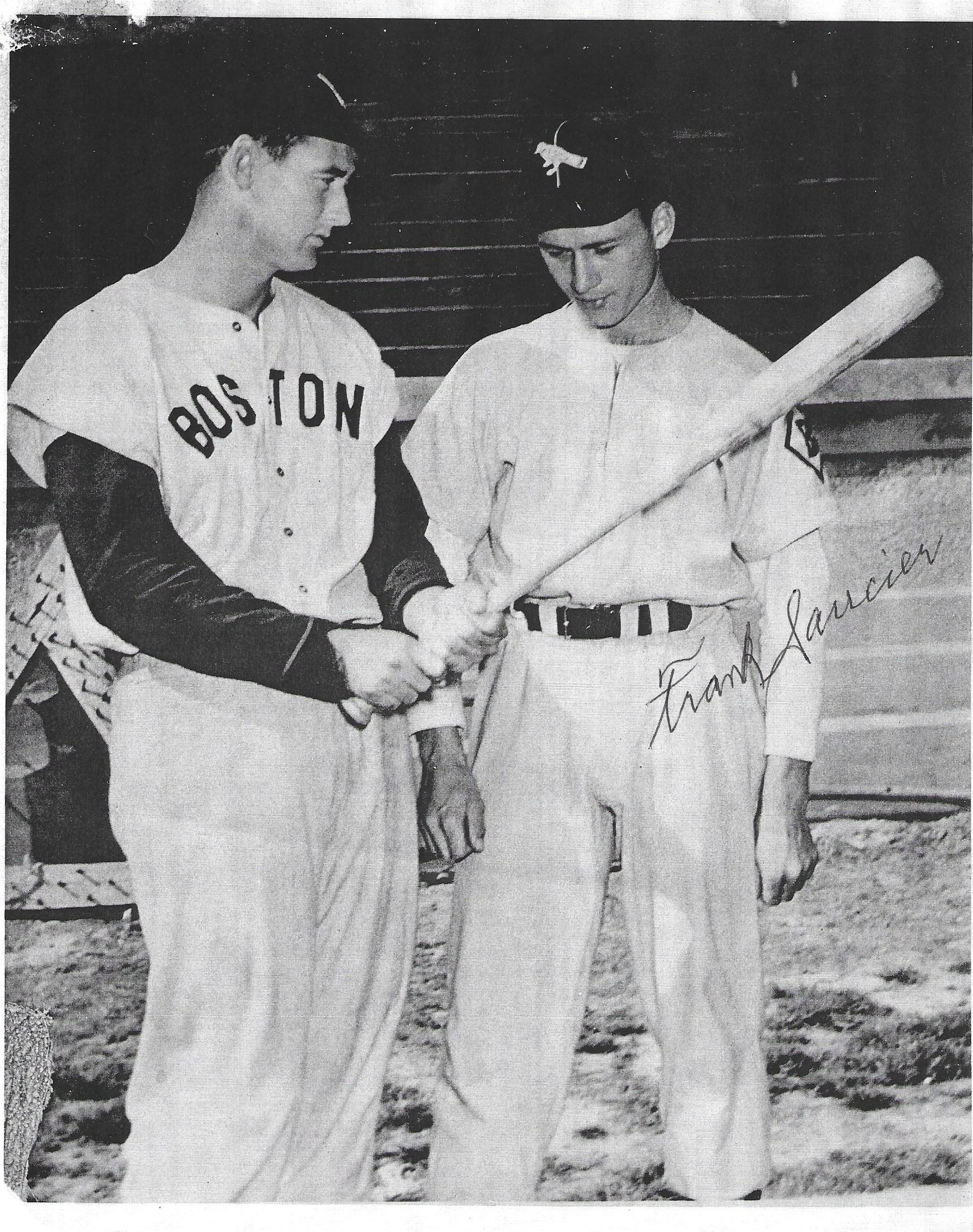
The Gaedel incident occurred on August 19, 1951, and was the brainchild of Browns’ owner, Bell Veeck. The farce began when Gaedel popped out of a cake between games of that day’s doubleheader as part of a celebration marking the 50th Anniversary of the American League.
Veeck had given Gaedel strict orders not to swing his miniature bat during his plate appearance. Gaedel promptly walked on four pitches and was lifted for pinch-runner Jim Delsing. The American League quickly voided Gaedel’s contract, and he never appeared in another game.
I spoke with Saucier back in July of 2006 after Desling passed away. “I was surprised to see my name in the lineup that day,” Saucier said of his brush with infamy. “I had blisters all over my hands and couldn’t even grip a bat.”
While Saucier was part of one of the biggest gimmicks in the history of the game, he was no Eddie Gaedel, a player signed solely to play a part in Veeck’s sideshow. Saucier was the Sporting News Minor League Player of the Year in 1950 after hitting .343 and leading the San Antonio Missions to the Texas League championship.
“You realize that this happened once before,” Saucier said, referring to the Gaedel incident. “It was in the minor leagues in 1905. I can send you some stuff that will answer all your questions.”
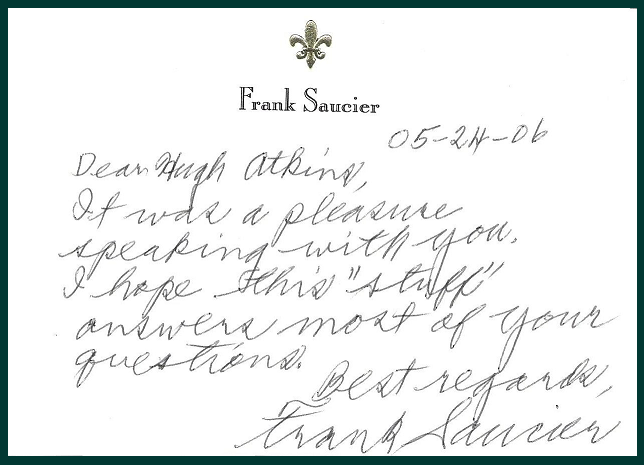
Saucier was as good as his word. Two days after our conversation, I found a package on my front porch. Saucier had sent me copies of several articles and lots of other information about his life and career.
Included in the packet was a copy of a 1991 article by Joe Overfield of the Buffalo Bisongram, which described a pinch-hit at-bat by actor Jerry Sullivan for the Buffalo Bisons in September of 1905. Sullivan’s time at bat was more successful than Gaedel’s; he blooped a single just over the third baseman’s head and wound up scoring later in the inning.
While Saucier and Gaedel’s paths crossed that day in St. Louis, they headed in vastly different directions afterwards. Following the 1951 season, Saucier was called back into active duty with the Navy, and he retired from baseball in 1954 upon his release from military service. Saucier had a long, successful career in the oil business after leaving baseball. Gaedel became a heavy drinker and died of a heart attack at the age of 36 following a fracas that began in a bowling alley in Chicago in 1961.
Before we ended our conversation back in 2006, Saucier had a trivia question for me. “What player had the highest batting average of any player to receive the Silver Slugger Award?”
“I don’t know,” I answered.
“You’re talking to him,” Saucier said. “I hit .446 for Wichita Falls in 1949.”
This sentence from Saucier’s obituary sums up a life well lived: “From hunting and trapping in the backwoods of Missouri, to serving his country, playing ball, and leveraging his education into a successful career in the Panhandle of Texas, Frank Saucier truly lived the American Dream.”
Francis Field Saucier was 98 years old.
(My conversation with Frank Saucier was for a column published in the July 17, 2006 edition of the I-24 Exchange newspaper. Mr. Saucier misdated the note pictured in this post; other materials in the packet he sent me are dated 07-24-06.)


 Cheap Hill 44
Leave a reply to Anonymous Cancel reply