Sometimes I have trouble understanding coverage of notable events. Cal Raleigh of the Seattle Mariners just had a monster weekend at the plate, and in the process passed John Bench for the most home runs by a catcher prior to the All-Star break. It seems that reporting of such an accomplishment would be fairly easy, but from the accounts of Raleigh’s slugging I read, it apparently is more difficult than I thought.
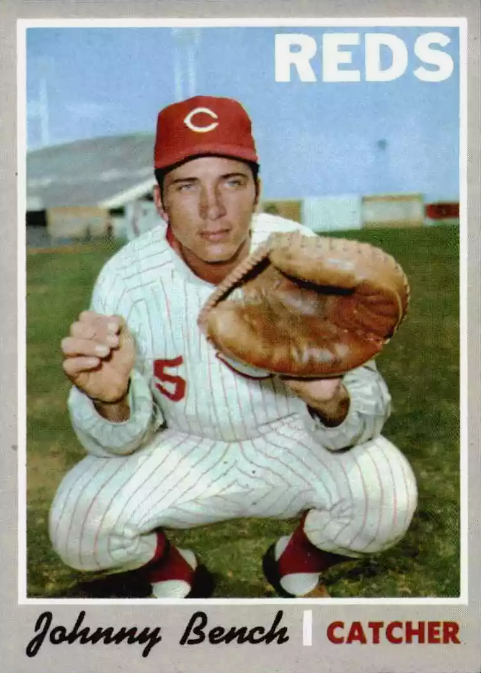
MLB.com, USA Today, and other media outlets reported that Raleigh’s 29th homer of the season put him one ahead of Bench, who hit 28 home runs before the All-Star break in 1970. With just a bit of research, I verified that while Bench hit 28 home runs before the 1970 All-Star break, only 26 of them came while he was a catcher; he hit one as a first baseman and one as a right fielder.
Of Raleigh’s 29 home runs through Friday, he hit 27 as a catcher and two as a designated hitter; therefore, he indeed has passed Bench for most homers by a catcher prior to the break.
Since the coverage I read, while not 100% accurate, got the overarching fact—Raleigh now has more pre-All-Star break homers as a catcher than Bench–I suppose there are some who would accuse me of nitpicking in my criticism of the various accounts. But that isn’t the real problem I have with the articles on Raleigh’s slugging.
Both Daniel Kramer of MLB.com and John Leuzzi of USA Today stated that at his current pace Raleigh would blow past Salvador Perez for the most home runs by a catcher in a season. While both scribes are correct that unless Raleigh pulls a Reggie Jackson-in-1969 during the second half of the season (more on Reggie later), he should finish the year as the new record holder in this category. However, Javy López, not Perez, holds the record for most home runs by a catcher in a season with 42.
Kramer and Leuzzi use the invented term “primary catcher” to justify their use of Perez’s 48 homers as the yardstick. Coverage of Perez back in 2021 when he was hitting all those homers defined a primary catcher as anyone who played 75% of his games at that position. It’s one thing to say that Perez was primarily a catcher, but he hit 15 of his home runs that season as a DH, meaning he hit only 33 as a catcher. That’s not even 75% of his total.
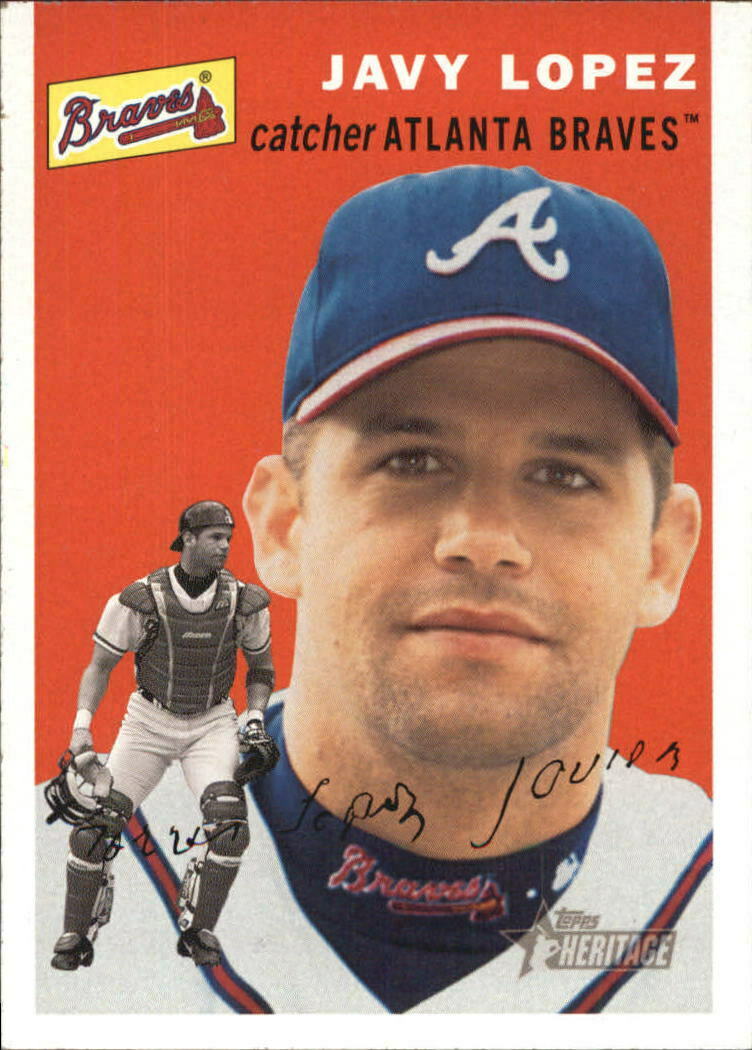
López hit 43 home runs in 2003, 42 as a catcher and one as a pinch hitter. My question for these folks is, why use such an invented qualifier?Raleigh legitimately surpassed Bench and likely will pass Lopez with the actual number of home runs he ends up hitting as a catcher this season.
The number of home runs a player hits at a given position is an easily quantifiable number, yet neither Kramer nor Leuzzi felt the need to even mention Javy Lopez in their coverage, and that’s a shame. Raleigh is having a phenomenal season. He doesn’t need an invented category to enhance his accomplishments.
Now, the rest of the story on Reggie Jackson in 1969. Jackson hit the All-Star break with 37 home runs, and there was talk that he could break Babe Ruth’s record of 60 homers in a season. But Jackson’s power all but evaporated after the break, and he hit only 10 more homers that year to finish with 47, which was good enough for third place in the American League behind Harmon Killebrew (48) and Frank Howard (47).
(All statistics are from Baseball Reference. I previously wrote about using the “primary position” to determine home run leaders in my post “Both 33 and 41 are <42” dated October 17, 2021.)


 Cheap Hill 44
Leave a reply to cheaphill44 Cancel reply